
Categories
All
Company News
Critical Minerals & Supply Chain
Defense & Advanced Technology
Mining Innovation & Sustainability
American Yttrium? The Overlooked Chokepoint for Jet Engines and Semiconductors
Yttrium was not the metal that inspired us to set out on this journey.
American Terbium's focus since inception has been on the heavies, dysprosium and terbium in particular, as the name might give away. After the latest yttrium rally, a few of our investors asked whether we should change the company name to American Yttrium. It has a nice ring to it, though I fear if we change the name every time a particular rare earth price pops, our stationery printer might end up with a controlling interest. Still, I bought the domain, just in case.
Yttrium was never a central target of our geologic model. It was present in the assays and in technical reports, but it was not what we were organizing the company around.
Then the price exploded.
In 2025, USGS put the average 99.999% Y2O3 price at $9/kg FOB China. Reuters later reported European yttrium oxide at $270/kg in November, up 4,400% from January. By late February 2026, quoted prices outside China had printed above $800/kg.
I am not going to pretend those numbers are the same type of price. FOB China annual averages, European CIF spot, and thin-market crisis prints should not be conflated. A momentary panic-driven spot price is not the basis for a business plan. But clearly disregarding it would be a mistake.
When a metal moves like that due to an export-control shock, the price is telling you that the old market did not carry enough insurance for supply security.
Price Was a Warning
On April 4, 2025, China placed export controls on yttrium metal, yttrium-bearing alloys, targets, yttrium oxide, and yttrium-bearing compounds. Essentially the entire product catalog.
Reuters later reported that U.S.-bound shipments fell to 17 tonnes in the eight months after the controls, from 333 tonnes in the eight months before. A 60-ton March 2026 yttrium oxide shipment to the U.S. showed that some licensing was moving again. Reuters also reported that U.S.-bound yttrium oxide exports over the prior 12 months were still down 75% year over year.
This matters more than a single rally.
Some analysts, like Adamas Intelligence, have warned that European ask prices can overstate the amount of material actually trading, which is fair.
The uncomfortable part remains: a China domestic price and a Western delivered price can have a vast spread when a buyer is willing to pay whatever it costs to guarantee delivery of the raw materials they need to meet multibillion-dollar defense contracts. That is what price inelasticity looks like.
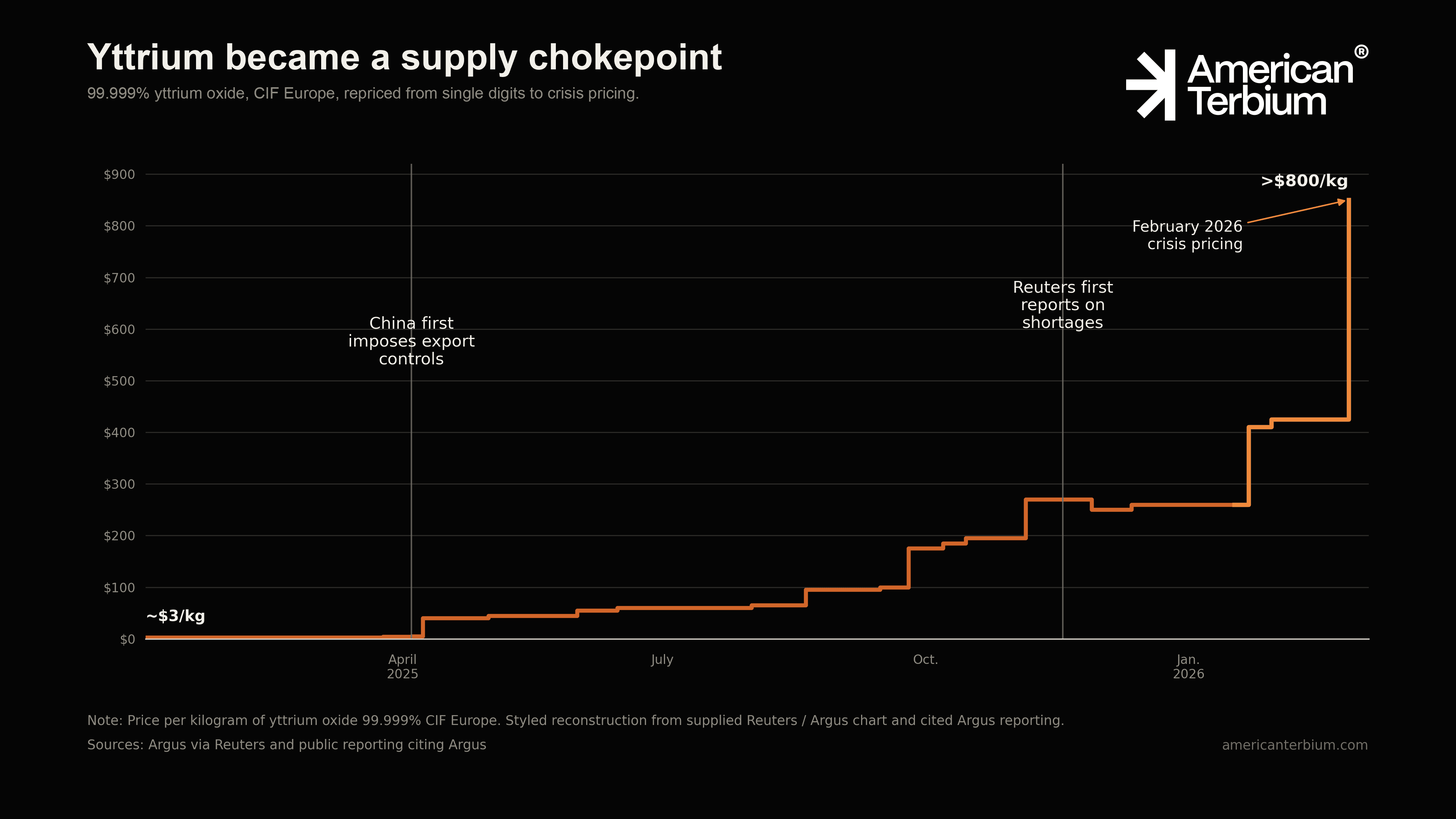
Chart note: price per kilogram of 99.999% yttrium oxide, CIF Europe. Source: Argus.
Where yttrium is a critical dependency.
Yttrium is easy to miss because its applications are somewhat niche.
Unlike dysprosium or terbium, yttrium is not a high-temperature NdFeB story. It sits in thermal barrier coatings for F-35 jet engines and power turbines, ceramics, phosphors, fiber optics, optical glass, semiconductor manufacturing equipment, and YAG crystals used in the most powerful lasers. While substitutes exist for some applications, they are less effective, and for most advanced weapons systems, lasers, and phosphors where there is little margin for error they cannot be substituted.
The tonnages are relatively small and on the surface unimpressive. But this unique metal sits quietly inside the most advanced stealth fighter jets and multibillion-dollar semiconductor production lines.
The Lost Basin Discovery
Lost Basin was exciting before the yttrium price moved because the rare earth basket was unusually heavy. Dysprosium, terbium, and yttrium are enriched together at surface, in a deposit style and material that has shown encouraging leach behavior.
With surface highlights of 6,302 ppm TREO from our work there, dysprosium at 221.5 ppm, and terbium at 35.3 ppm, this already stands as one of the single highest grading occurrences of heavy rare earths ever taken from a sedimentary deposit. But yttrium intensity is the real story, with samples as high as 1,671 ppm Y, or roughly 2,122 ppm Y2O3-equivalent using the standard conversion.
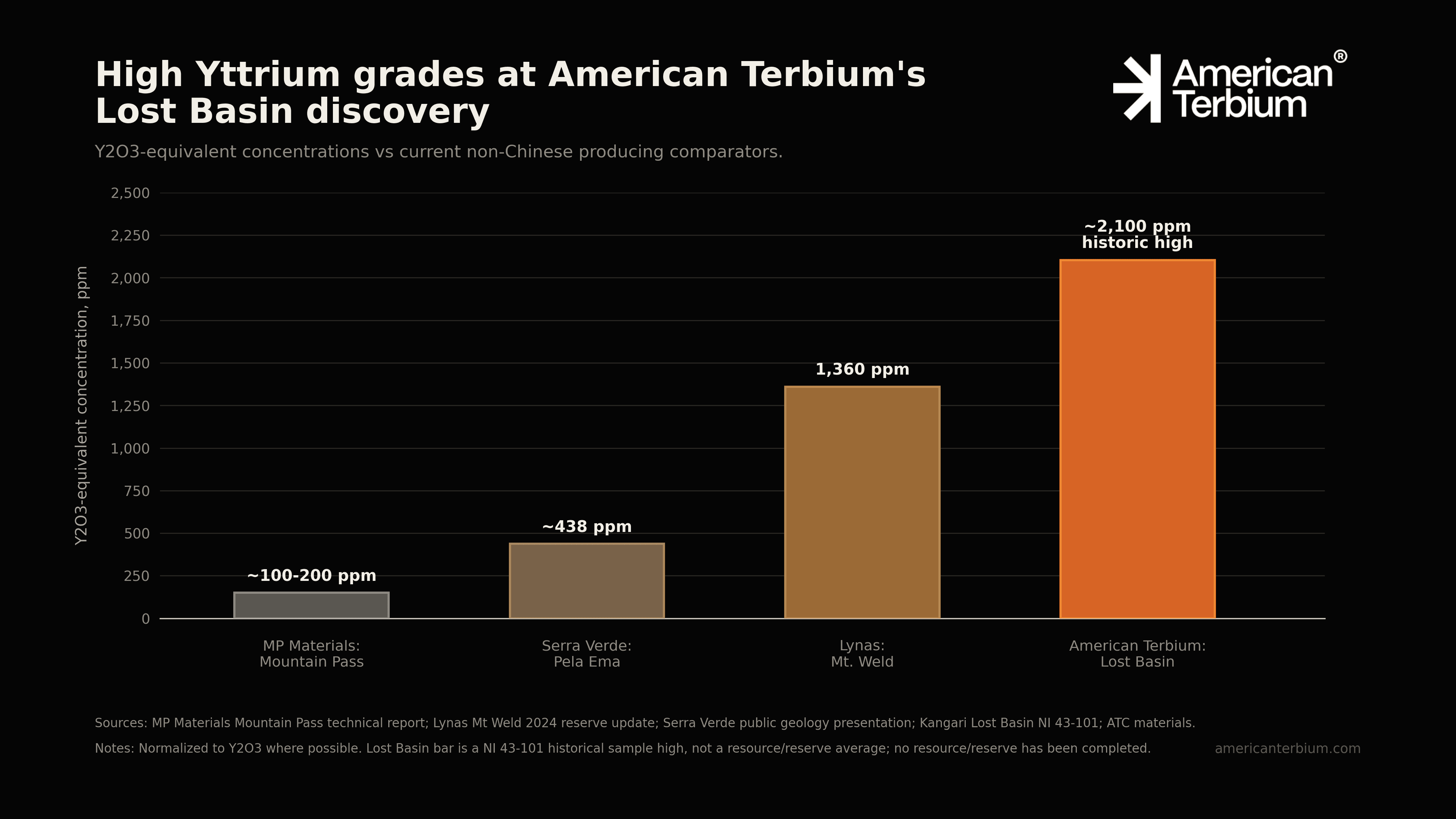
Chart note: comparison uses Y2O3-equivalent concentrations where possible. Lost Basin is shown as a historical sample high, not a resource or reserve average.
If the Dy-Tb-Y enrichment proves consistent and laterally extensive across strike, Lost Basin is not just a good sample story. It is a drill-ready project with billions of dollars of exploration potential. But this work remains ahead of us.
That is the version of the story we can confidently claim: a serious North American Dy-Tb-Y story that now warrants serious follow-up work.
Process Before Promotion
The more interesting part is what Lost Basin did to our process thinking.
Our leachability work did more than support a geological model. It forced a practical question: can the heavy fraction, including yttrium, be recovered selectively enough, cleanly enough, and early enough to matter commercially?
I am not going to turn a public newsroom article into a disclosure of our processing technologies, but Lost Basin has been a technical learning ground for us for this new rare earth deposit type.
That work helped give birth to the provisional patent portfolio we filed in April 2026. The portfolio covers pre-treatment, leaching, downstream recovery, process timing, and reagent recovery at a high level. The family most relevant here is YHREE, our provisional around selective yttrium and heavy rare-earth recovery.
The filings do not yet prove commerciality, but they do show where the technical questions have led us: toward the potential selective recovery of the most critical part of the basket.
The Work Ahead
The price chart that got everyone's attention does not answer the exploration question we still have, but it does magnify the upside potential.
Our job is to turn the grades we have found, and the leachability, into a resource and a path to production. That means drilling, bulk sampling, repeatable metallurgical data, and eventual qualification with midstream partners and end users who need dependable non-Chinese material.
If Lost Basin's Dy-Tb-Y profile can be translated into a resource and a partnerable heavy rare earth leach concentrate, the market has started to price a problem we were already working on.
Where This Lands American Terbium
I still see the same strategy, only with a brighter yttrium-colored light on it. To secure the metals our country needs, as always, we must create value in the rocks.
Sources: USGS Yttrium Mineral Commodity Summary 2026, MOFCOM Announcement No. 18 of 2025, Reuters via The Business Standard, Reuters via Taipei Times, Adamas Intelligence.
Thumbnail credit: "The small blue yonder" by Angel Yanguas-Gil, Jeffrey W. Elam, and John N. Hryn. Yttrium oxide crystals activated by atomic layer deposition. Cropped for layout. Licensed under CC BY-NC-SA 2.0.
Read now

American Terbium Corp. Files Eight U.S. Provisional Patent Applications
FILINGS MARK THE COMPANY'S EVOLUTION FROM MINING AND EXPLORATION INTO AN INTEGRATED HEAVY RARE EARTH TECHNOLOGY PLATFORM
MIAMI, April 22, 2026 - American Terbium Corp. ("American Terbium" or the "Company"), a privately held strategic metals explorer and pioneer in rapidly leachable Dysprosium-Terbium (Dy-Tb) deposits, today announced that it has filed eight U.S. provisional patent applications with the United States Patent and Trademark Office (USPTO). Filed this month, the applications establish a priority position around the Company's proprietary process technology for recovering heavy rare earth elements (HREEs) from its new class of sediment-hosted feedstock.
From Explorer to Integrated Technology Platform
The filings mark a structural shift for American Terbium. Developed out of the Company's own bench work on material from its Lost Basin Project, the portfolio extends American Terbium beyond a pure mining and exploration story into an integrated technology platform, one the Company can license, partner around, and apply for federal research and development funding against, alongside its underlying exploration and mining work.
"With that filing the Company has changed shape," said Francis Boulle, President & CEO of American Terbium. "We are no longer just a mining and exploration company applying a geological model. We are the leading technical authority on this style of deposit, and we own a defensible IP position around the best processing chemistry for it."
A Single, Additive Portfolio
The eight provisional applications were drafted as a single, additive portfolio: any one family that is ultimately granted strengthens the others, and the Company believes the integrated platform is worth more than the sum of its parts. Together the applications span the processing pathway from feedstock pre-treatment through final product recovery and reagent recovery, forming what the Company believes is a defensible position around a low-cost, simple-circuit route to producing heavy rare earth concentrate from this class of material. American Terbium is not disclosing the specific subject matter of the individual applications at this time.
"This portfolio is the product of years of work to understand how this deposit type behaves and how best to process it," said Michael Thomsen, Executive Chairman of American Terbium. "Applying that chemistry to our own resource base is what makes the technology and the deposits mutually reinforcing; each side strengthens the other, and together they advance the goal of a domestic, non-China-dependent supply of dysprosium and terbium."
About American Terbium Corp.
American Terbium Corp. is a privately held corporation committed to advancing the production of heavy rare earth elements (HREEs) in North America. By applying a pioneering geological model to explore paleo basin sediments, the Company has identified high-grade Dysprosium-Terbium (Dy-Tb) deposits with rapid leachability, and is developing proprietary process technology to recover these critical metals. American Terbium strives to ensure North American independence in the production of these critical metals to support clean energy technologies, electric vehicles, and defense systems.
Note Regarding Provisional Patent Applications
Provisional patent applications establish a priority date and provide a twelve-month window within which the Company may file corresponding non-provisional (utility) applications. Provisional applications are not examined by the USPTO and do not themselves grant any enforceable patent rights. There can be no assurance that any provisional application will mature into an issued patent, or as to the scope, validity, or enforceability of any patent that may ultimately issue.
Forward-Looking Statements
This announcement contains forward-looking statements regarding the Company's technology, intellectual property strategy, and business prospects. Such statements are based on current expectations and are subject to risks and uncertainties, including those relating to patent prosecution, technology development, and commercialization. Any internal targets or estimates referenced by the Company are not mineral resources or mineral reserves under S-K 1300, NI 43-101, or any similar reporting regime. Actual results may differ materially from those expressed or implied. The Company undertakes no obligation to update these statements except as required by law.
On behalf of the Board,
Francis Boulle
President & CEO
American Terbium Corp.
For more information, please contact:
Email: info@americanterbium.com
(C) 2026, American Terbium Corp. All Rights Reserved.
Read now
Sprott's REXC ETF Puts Ex-China Rare Earths Into Focus
Sprott Asset Management announced the launch of the Sprott Rare Earths Ex-China ETF (Nasdaq: REXC), giving public-market investors a dedicated way to buy rare earth supply-chain exposure outside China.
The signal matters more than the product itself. For years, rare earths sat in a strange gap: discussed constantly in policy circles, but hard for generalist investors to express cleanly. Sprott's ETF puts that trade into a familiar wrapper.
According to Sprott, REXC seeks to track the Nasdaq Sprott Rare Earths Ex-China Index and invests at least 80% of assets in index securities. The index is built around companies involved in mining, separation, refining, and production of rare earth elements, while excluding companies domiciled in or primarily operating in China.
By May 22, 2026, Sprott's product page listed 34 holdings and $45.11 million in total net assets. That is still early. But it confirms something operators have been watching for a while: "ex-China rare earths" is becoming a capital-markets category.
That does not mean the market has solved the bottleneck.
Rare earths are not one market. A basket of public equities can capture exposure to the theme, but customers do not buy themes. They qualify materials: oxide, metal, alloy, powder, magnet, coating, phosphor, ceramic, or another product that meets a real specification.
That distinction matters most in the heavy rare earths. Dysprosium, terbium, and yttrium do not trade like a generic rare earth basket. They sit closer to the narrow failure points in magnets, high-temperature materials, lasers, ceramics, optical systems, and other industrial uses.
A small shortage can create a large problem because substitution is often technical, not just financial.
For American Terbium, the takeaway is practical. Capital is moving toward the same question operators are working through on the ground: where can non-China supply actually be discovered, processed, separated, qualified, and delivered?
REXC is not the answer to that question. It is evidence that the question is now large enough for public markets to package.
This note is market commentary only. American Terbium is not affiliated with Sprott or REXC.
Read now

American Terbium Corp. Appoints Michael Pochna to Its Advisory Board
INDUSTRY VETERAN BRINGS DECADES OF VENTURE CAPITAL, FINANCE, AND ASSET MANAGEMENT EXPERIENCE
MIAMI, April 16, 2025 - American Terbium Corp. ("American Terbium" or the "Company"), a private strategic metals explorer and pioneer in rapidly leachable Dysprosium-Terbium (Dy-Tb) deposits, is pleased to announce the appointment of Mr. Michael Pochna to its Advisory Board. A seasoned entrepreneur and financier Mr. Pochna, who resides in the south of France, brings a distinguished track record of venture capital, finance, asset management, and board leadership across multiple industries.
"Michael's broad expertise in international finance, corporate governance, and global dealmaking aligns perfectly with American Terbium's goal of establishing North American independence in heavy rare earth elements," said Francis Boulle, President & CEO of American Terbium. "He has navigated complex ventures spanning continents and industries; that experience will be invaluable as we advance our new deposit model for Dy-Tb in the United States and around the world."
A Distinguished Career in Venture Capital, Finance, and Asset Management
Mr. Pochna's background underscores his aptitude for spearheading innovative ventures and driving organizational growth:
Early Education & Harvard Graduate: Attended Le Rosey and Deerfield Academy before graduating from Harvard in 1960.
Building Global Enterprises: Served as a partner at Lansdowne Limited (Paris), Asian Oceanic Group (Hong Kong), and Dexter Capital (New York), contributing to major financial and corporate transactions on three continents.
Founder of Societe Viticole Europeenne (SVE): Established in 1970 to acquire vineyards in France, Italy, and Spain. Under Mr. Pochna's leadership, SVE became one of Europe's largest fine wine property owners before being sold to management in 1985.
International Telecommunications Ventures: Co-founded Binladen Telecommunications ("BTC") with Sheikh Salem Binladen, securing a 10-year contract to manage Sauditel on behalf of Bell Canada International (BCI).
Industrial Turnaround Expertise: Led an investor group to take control of Diversified Industries, a NYSE-listed manufacturer, restructuring it into United Recycling Industries before its eventual sale to the Sims Group in 2007.
Property Development: Managed real estate partnerships in New York's Tudor City from 1990 to 2000.
Culture, Arts & Entertainment: Founded MSquare International in 1980, developing Off-Broadway theaters and producing films and classical music concerts/events.
Financial Services Leadership: Currently Managing Director of Dexter Capital Limited, providing advisory services to major financial and investment groups including Guggenheim Partners, The Carlyle Group, Partners Group, and Omega Advisors. He also serves as Senior Advisor to Vantage Intelligence UK Limited LLC.
Advancing Rare Earth Independence
American Terbium Corp. is focused on developing its proprietary geological model for high-grade Dysprosium-Terbium deposits across North America, with an emphasis on rapid leachability. By applying innovative extraction methodologies and deploying advanced processing technologies, the Company aims to create a sustainable, low-cost supply of critical heavy rare earth elements (HREEs) for use in electric vehicles, renewable energy, defense, and more, all without reliance on Chinese downstream processing.
"With his remarkable background in global finance and corporate strategy, Michael will offer invaluable insights as we position American Terbium at the forefront of a new era in rare earth exploration and processing," added Boulle.
About American Terbium Corp.
American Terbium Corp. is a privately held corporation committed to advancing the production of heavy rare earth elements (HREEs) in North America. By applying a pioneering geological model to explore paleo basin sediments, the Company has identified high-grade Dysprosium-Terbium (Dy-Tb) deposits with rapid leachability, enabling a game-changing approach to HREE extraction. American Terbium strives to ensure North American independence in the production of these critical metals to support clean energy technologies, electric vehicles, and defense systems.
On behalf of the Board,
Francis Boulle
President & CEO
American Terbium Corp.
For more information, please contact:
Email: info@americanterbium.com
(C) 2025, American Terbium Corp. All Rights Reserved.
Read now
American Terbium Announces Company Name Change and Dy-Tb Focus
Archive note: This release announced the company name change from North American Strategic Minerals Inc. to American Terbium Corp. It is retained for historical continuity, and statements speak as of the original publication date.
MIAMI, February 23, 2025 - North American Strategic Minerals Inc. ("NASM" or the "Company") is excited to announce its official name change to American Terbium Corp., marking a critical milestone in its commitment to revolutionizing rare earth production in North America. The rebranding reflects the Company's strategic focus on advancing its high-grade, rapidly leachable Dy-Tb (Dysprosium-Terbium) deposits located in the United States and Canada.
Our Mission: Rare Earth Independence Through Geological Innovation
American Terbium Corp. is leading the charge to overcome the greatest obstacles standing in the way of Western rare earth independence. Unlike the majority of known rare earth deposits, which are hosted in 'hard rock' deposits requiring complex and high CapEx and rely on Chinese downstream processing, American Terbium is taking a radically different, disruptive approach to solve the industry's long-standing dependence on China.
"By applying our innovative geological models, we've discovered a new type of deposit with high Dysprosium-Terbium enrichment and rapid leachability, providing a path to independence from foreign sources," said Michael Thomsen, Executive Chairman. "Our mission is to provide the U.S. and global markets with a sustainable, domestic supply of critical heavy rare earth elements, most importantly dysprosium and terbium."
High Dy-Tb Grades in a Rapidly Leachable Host Rock: A Global First Mover
American Terbium is commercializing a totally new and industry-disruptive rare earth deposit type. Through our proprietary geological model, we've defined high-grade Heavy Rare Earth Element (HREE) enrichment in extensive paleo basin sediments across the U.S. and Canada. Unlike traditional intrusive deposits, which typically contain lower-value HREEs and are not leachable, our deposits are uniquely characterized by more than 3x the grade of the most important and valuable HREEs: dysprosium and terbium (Dy-Tb).
Our Lost Basin Project is one example of this remarkable discovery, where core samples reveal Dy-Tb enriched ore that mirrors the geologic conditions of vast Pacific seafloor metal precipitate systems, marking a new frontier for North American rare earth exploration. This breakthrough presents the rare opportunity to develop a high-grade, domestically sourced supply of these critical metals.
Rapid Leaching with High Recoveries: The Future of Rare Earth Processing
A key differentiator of our deposits is their rapid leachability. American Terbium has developed a simple proprietary leach solution capable of recovering over 95% of the metal content in just 24 hours, an extraordinary leap forward in the path towards American rare earth independence. This innovation not only significantly reduces the time and costs associated with traditional extraction methods but also sidesteps the fundamental challenges posed by the metallurgical complexity of 'hard rock' deposits. In doing so, we position ourselves as the first company in North America to offer a commercially viable, non-China-dependent HREE leach concentrate solution.
"By solving the leachability challenge, we've created a game-changing competitive advantage: we can produce the highest-value rare earth metals at low costs without dependence on Chinese downstream processing," added Francis Boulle, President & CEO. "We're now poised to be the first company to deliver a HREE leach concentrate solution to U.S. separation facilities, moving away from reliance on Chinese processing facilities."
The Path Forward: Advancing Rare Earth Independence
As part of its ongoing commitment to advancing rare earth independence, American Terbium Corp. is focused on developing these deposits into a high-value, sustainable supply for key industries such as electric vehicles, renewable energy, and defence. Our unique ability to extract and concentrate high-value Dy-Tb from rapidly leachable sediments allows us to quickly deliver on the growing demand for these critical metals, while decoupling our supply chain from its current dependence on China.
With exploration and near-term production potential in the U.S. and Canada, American Terbium Corp. is uniquely positioned to lead the charge in securing a stable, domestically sourced supply of high-value HREEs. American Terbium's transition to its new identity represents more than just a name change; it is a bold statement about the Company's vision for the future of rare earth supply chains in America. Finally, true American Terbium.
About American Terbium Corp.
American Terbium Corp. is a privately held corporation committed to advancing the production of heavy rare earth elements (HREEs) in North America. By applying a new geological model to explore paleo basin sediments, American Terbium has discovered high-grade Dy-Tb deposits that can be rapidly leached for recovery. With a focus on innovation and sustainability, the Company is pioneering the development of critical rare earth metals to support the global transition to clean energy technologies, electric vehicles, and defense systems, with a firm commitment to rare earth independence from China.
For more information about American Terbium Corp., please visit www.americanterbium.com.
Contact:
Francis Boulle
President & CEO
American Terbium Corp.
Email: info@americanterbium.com
Read now

NASM Announces New Rare Earth Deposit Model Across North America
Archive note: This release was originally issued by North American Strategic Minerals Inc., predecessor to American Terbium Corp. It is retained for historical continuity. Company names, contact details, strategy, and technical statements speak as of the original publication date.
MIAMI, September 26, 2023 (GLOBE NEWSWIRE) - North American Strategic Minerals Inc., a private U.S. Delaware corporation, was formed in 2020 to explore for rare earth metals after its founders recognized a significant new geologic model for rare earth mineralization hosted in paleo basin pelagic sediments. Similar rare earth mineralization was first noted in modern basin pelagic sediments found at various locations on the Pacific seafloor. The mechanism of formation of this new type of rare earth mineralization is the direct precipitation of these critical metals from seawater into seafloor pelagic sediments.
The largest and most important of these rare earth seafloor metal precipitate deposits is known as the Minamitorishima deposit in the western Pacific. Technical details of Minamitorishima were first published in 2018 by a consortium of Japanese scientists who described this world-class rare earth deposit as having the potential "to supply these metals on a semi-infinite basis to the world." [1] Minamitorishima is considered to be the largest rare earth deposit in the world eclipsing all terrestrial deposits documented in China, Australia, Brazil, Vietnam, Greenland, and elsewhere. The Japanese are currently investing six billion Yen to advance and develop the Minamitorishima deposit.
After recognizing the significant importance of this new style rare earth mineralization, NASM has applied this new target model to its exploration activities in paleo basin sediments at various localities of North America since 2020. NASM's rare earth targets are found in a unique and very specific paleo basin sedimentary facies containing significant stratiform rare earth mineralization. This new style of rare earth mineralization discovered is distinctly different from common black shales or coal bearing sediments typically found throughout the world containing trace amounts of various minor metals.
The rare earth metals discovered by NASM are contained in paleo basin pelagic sediments as in-situ diagenetic elemental substitutions primarily within the crystal lattice of biogenic calcium phosphate minerals. Geochemical sampling on the Company's primary target at its Lost Basin project has encountered grades between 0.1% and 0.5% Total Rare Earth Oxides (TREO). The average grade of Minamitorishima is 0.1% TREO. Biogenic calcium phosphate concentrates are shown to contain up to 2.0% TREO at both Minamitorishima and at NASM's primary exploration target. This style of biogenic calcium phosphate rare earth mineralization is also very important as it is found to display rapid and high leach recoveries as reported by the Japanese researchers at Minamitorishima. Comparative data from both Minamitorishima and NASM's primary project area indicates Heavy Rare Earth Oxide contents of +35% TREO.
Mineral rights covering over 200 square kilometers have been secured by NASM and its wholly owned Canadian subsidiary on multiple targets in southern Manitoba and central South Dakota as NASM continues to explore this extensive sedimentary basin region for rare earth mineralization. Further evidence that this region contains this unique style of paleo basin metal precipitate mineralization is highlighted by the fact that central South Dakota contains the world's largest paleo ferromanganese nodule deposit in the 4,000 square kilometer region centered around the town of Chamberlain. This paleo Fe-Mn nodule deposit is in many respects similar to the vast Clarion-Clipperton modern seafloor ferromanganese nodule field in the central Pacific.
Other new targets identified by NASM are also found to host this style of paleo basin pelagic sediment stratiform rare earth mineralization in three states in the mid-continent region of the U.S. NASM is continuing to explore these new targets which, in places, contain laterally uniform and continuous grades of 0.15% to 0.2% TREO over strike length distances of 50 kilometers as seen from initial sampling.
Recently, in July 2023, Chinese researchers announced the discovery of "paleo-continental sedimentary rare earth deposits" [2] in Sichuan, Yunnan, and Guizhou Provinces and published that "these deposits have advantages over ionic clay rare earth deposits." We now believe that the Chinese rare earth industry has recognized and discovered the importance of this exact same style of rare earth mineralization that NASM has previously identified and has been working on since 2020.
The nearly identical host rock lithologies, mineralogy and rare earth grades between NASM's paleo basin pelagic sediment rare earth targets and the world-class Minamitorishima Pacific seafloor deposit is strong evidence supporting the discovery of a significant new rare earth deposit type.
Next month, NASM's Executive Chairman, Michael Thomsen, will be attending Metal Event's 19th Annual International Rare Earths Conference in San Antonio, Texas on October 19-20 and will be available to discuss NASM's projects with potential investors.
For further information on North American Strategic Minerals Inc.:
Website: www.strategicminerals.us
Email: info@strategicminerals.us
Francis Boulle, President & CEO - Founder
Michael Thomsen, Executive Chairman - Founder
Photos accompanying this announcement are available at:
Attachment 1
Attachment 2
References:
Nature Scientific Reports
Chinese Geological Survey article
Read now
NASM Appoints Jack Lifton to Its Advisory Board
Archive note: This release was originally issued by North American Strategic Minerals Inc., predecessor to American Terbium Corp. It is retained for historical continuity. Company names, contact details, strategy, and technical statements speak as of the original publication date.
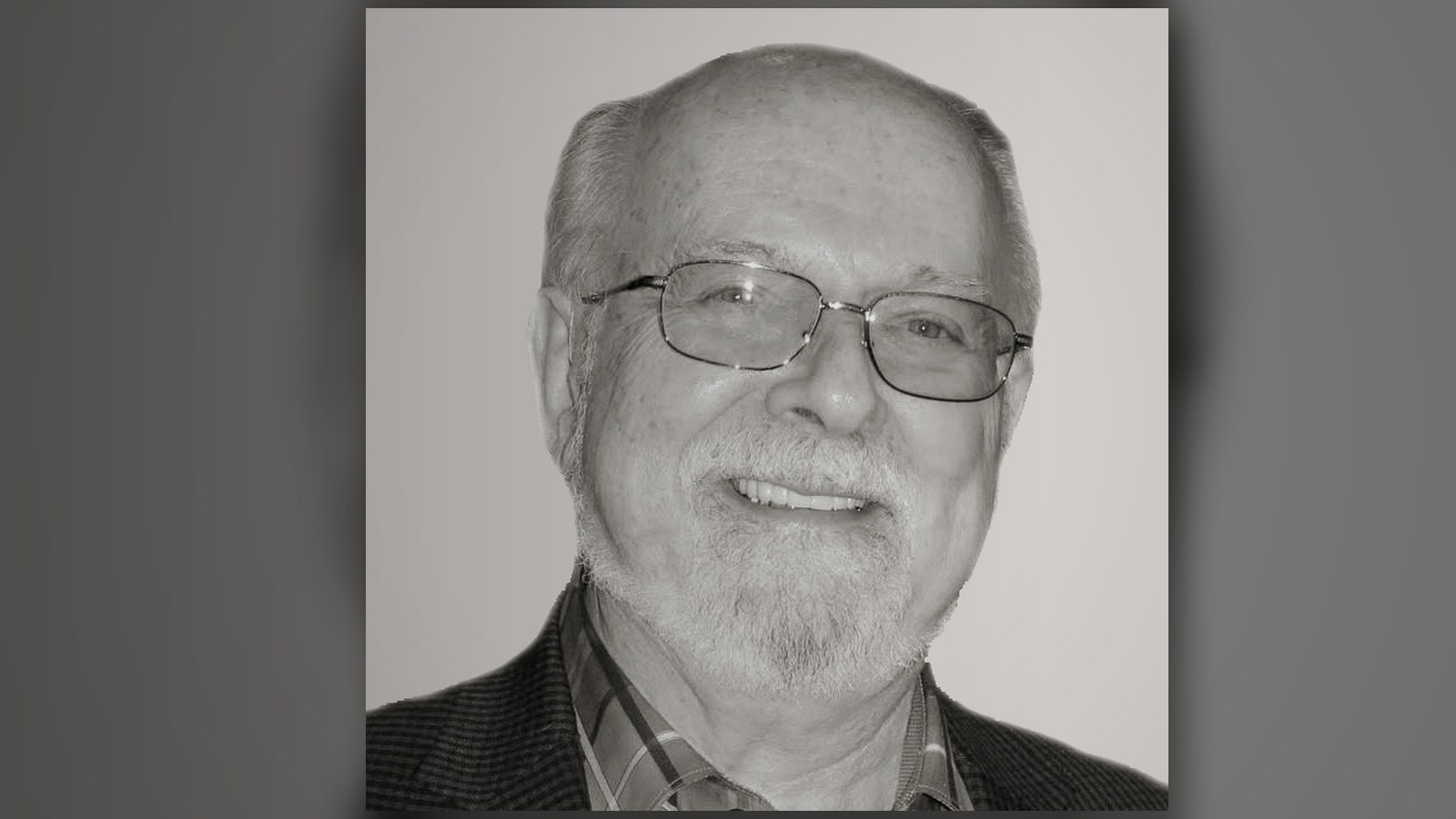
February 28, 2023 - North American Strategic Minerals Inc. ("NASM" or the "Company") is pleased to announce the appointment of Mr. Jack Lifton to the Company's Advisory Board.
Mr. Lifton is a highly respected natural resources industry consultant with extensive experience in evaluating and advising operations in the mining, refining, fabrication, and manufacturing of specialty chemicals and technology metals. Jack has gained a worldwide reputation as the preeminent expert in the selection and application of new and innovative processing technologies for Rare Earth Elements.
Michael Thomsen, Executive Chairman of NASM, expressed his enthusiasm for the appointment, saying: "We are thrilled to have Jack Lifton join our Advisory Board. He is one of the true experts in the Rare Earth and Critical Minerals industries and his extensive knowledge and experience will bring real value to NASM as we advance our 213 square kilometer flagship asset, The Lost Basin Project."
The NASM Advisory Board was founded to provide objective advice and guidance to the Board and executive team to help it achieve the best outcomes for all stakeholders. With Mr. Lifton's appointment, the Board gains an experienced professional with an impressive track record and broad expertise in the Critical Metals industry.
North American Strategic Minerals Inc. is a private strategic metals explorer founded by mining entrepreneur, Francis Boulle and Newmont Mining's former Director of International Exploration, Michael Thomsen. The company is actively enhancing shareholder value through exploration, discovery and acquisition and seeks to deliver strategic independence in the production of rare earth elements for North America.
On behalf of the Board,
Francis Boulle
President & CEO
Headquarters
NORTH AMERICAN STRATEGIC MINERALS, INC.
3350 Virginia Street, 2nd Floor
Coconut Grove, FL, USA 33133
For any inquiries:
Email: info@strategicminerals.us
Read now
North American Strategic Minerals Appoints Jeremy Friedlander to the Advisory Board
Archive note: This release was originally issued by North American Strategic Minerals Inc., predecessor to American Terbium Corp. It is retained for historical continuity. Company names, contact details, strategy, and technical statements speak as of the original publication date.
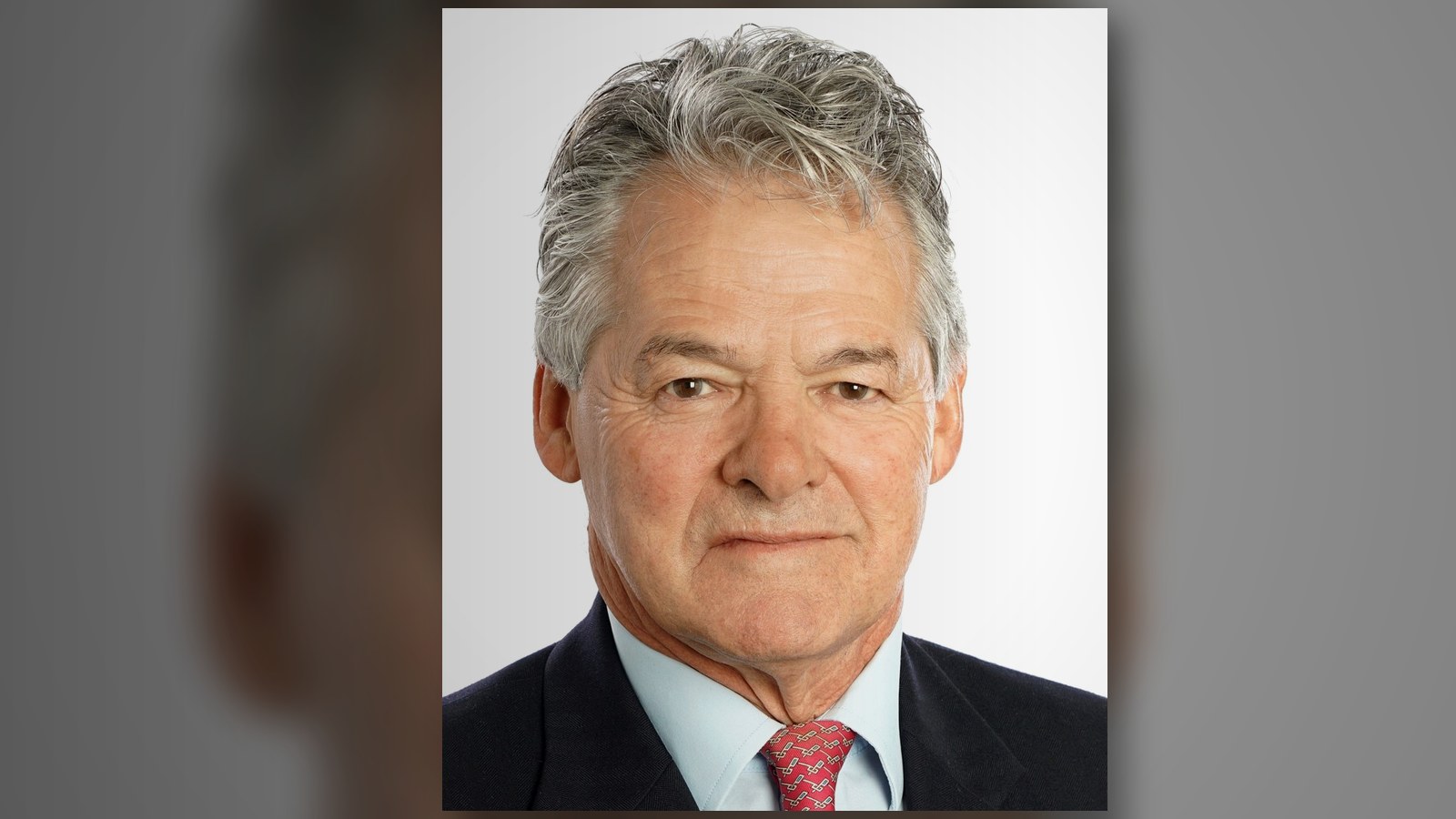
February 21, 2021 - North American Strategic Minerals Inc. ("NASM" or the "Company") is pleased to announce the appointment of Mr. Jeremy Friedlander to the Company's Advisory Board.
Jeremy has a BA LLB from the University of Cape Town and practised as an attorney in Cape Town. He joined Old Mutual as a legal advisor and in 1993 established McCreedy Friedlander, which became one of the premier real estate agencies in South Africa and formed an association with Savills. In 1998 he listed McCreedy Friedlander on the JSE as part of a financial services group and shortly afterwards relocated to London. In the United Kingdom, Jeremy has been involved in a number of property, natural resource and renewable energy transactions and is a director of AIM listed Bushveld Minerals.
More recently, Jeremy has been involved in the establishment of AGNA, a developer of renewable energy projects in north and sub-Sahara Africa. Until recently, Jeremy was assisting the developers of two resort projects on the north coast of the Dominican Republic and has visited the projects on numerous occasions. Jeremy is currently property and legal director of Octevo Housing Solutions, a developer of social and affordable Housing in the UK and has been involved through his directorship in Bushveld Minerals in two recent major strategic metals transactions.
"I am very pleased to welcome Jeremy Friedlander to NASM's newly formed Advisory Board," said Mr. Francis Boulle, President and CEO. "As we continue to make new acquisitions and build our portfolio in North America, Jeremy's legal background and public markets experience as a director of an AIM-listed mining and metals company will bring tremendous value and insight. NASM is a young company focused on discovering viable domestic sources of heavy rare earth elements in North America, and we welcome Jeremy to our growing team."
The NASM Advisory Board has been structured to provide objective advice and guidance to the Board and executive team to help achieve the best outcomes for all stakeholders.
NORTH AMERICAN STRATEGIC MINERALS INC.
NASM is an emerging rare earth company enhancing shareholder value through exploration and discovery.
On behalf of the Board
Francis Boulle
President and CEO
100 Crescent Court, Suite 700
Dallas, TX, 75205
Email: info@strategicminerals.us
Phone: (469) 469-3515
Cautionary Note Regarding Forward-Looking Statements
Certain information set out in this news release constitutes forward-looking information. Forward-looking statements are often, but not always, identified by the use of words such as "seek", "anticipate", "plan", "continue", "estimate", "expect", "may", "will", "intend", "could", "might", "should", "believe" and similar expressions. Forward-looking statements are based upon the opinions and expectations of management of the Company as at the effective date of such statements and, in certain cases, information provided or disseminated by third parties. Although the Company believes that the expectations reflected in such forward-looking statements are based upon reasonable assumptions, and that information obtained from third party sources is reliable, they can give no assurance that those expectations will prove to have been correct. Readers are cautioned not to place undue reliance on forward-looking statements.
These forward-looking statements are subject to a number of risks and uncertainties. Actual results may differ materially from results contemplated by the forward-looking statements. Accordingly, the actual events may differ materially from those projected in the forward-looking statements. When relying on forward-looking statements to make decisions, investors and others should carefully consider the foregoing factors and other uncertainties and should not place undue reliance on such forward-looking statements. The Company does not undertake to update any forward-looking statements, except as may be required by applicable securities laws.
Read now
North American Strategic Minerals Appoints Max Boulle to the Advisory Board
Archive note: This release was originally issued by North American Strategic Minerals Inc., predecessor to American Terbium Corp. It is retained for historical continuity. Company names, contact details, strategy, and technical statements speak as of the original publication date.
February 19, 2021 - North American Strategic Minerals Inc. ("NASM" or the "Company") is pleased to announce the formation of an advisory board (the "Advisory Board") to provide support and guidance to the Company's Board of Directors. In parallel, the Company announces the appointment of Mr. Max Boulle as the Advisory Board's foundation member.
Max Boulle is an experienced mining executive and merchant banker who has held executive and independent advisory roles at some of the world's largest mining and exploration companies and resource investment funds. Prior to focusing on the resources sector, Max gained extensive capital markets experience and rose to senior level positions in investment banking, trading and institutional equity sales over a 25 year career at some of the world's largest financial institutions, including but not limited to Guinness Mahon & Co, Louis Dreyfus & Cie, Banque Indosouez & BNP Paribas.
Over the course of his career in resources Max has been an independent advisor and founding director to a number of successful junior mineral explorers, several of which have been taken to initial public offering or acquired by major mining companies. Most notably, he represented Diamond Fields Resources Inc. (TSXV: DFR) on the board of INCO (now VALE (NYSE)) after the Voisey's Bay nickel discovery and its subsequent acquisition by INCO for CND$4.5 billion. Max has held directorships in several publicly listed mining and metals companies including INCO (NYSE: VALE), Nord Resources (NYSE: NRD), and America Mineral Fields (TSE: AMF).
"I am very pleased to welcome someone with the experience and track record of Max Boulle to NASM's newly formed Advisory Board," said Mr. Francis Boulle, President and CEO. "As we continue to advance our exploration targets and make additional acquisitions in North America, Max's experience and network will be invaluable. NASM is a young company focused on discovering viable domestic sources of heavy rare earth elements in North America, and we welcome Max to our growing team."
The NASM Advisory Board will be structured to provide objective advice and guidance to the Board and executive team to help achieve the best outcomes for all stakeholders.
NORTH AMERICAN STRATEGIC MINERALS INC.
NASM is an emerging rare earth company enhancing shareholder value through exploration and discovery.
On behalf of the Board
Francis Boulle
President and CEO
100 Crescent Court, Suite 700
Dallas, TX, 75205
Email: info@strategicminerals.us
Phone: (469) 469-3515
Cautionary Note Regarding Forward-Looking Statements
Certain information set out in this news release constitutes forward-looking information. Forward-looking statements are often, but not always, identified by the use of words such as "seek", "anticipate", "plan", "continue", "estimate", "expect", "may", "will", "intend", "could", "might", "should", "believe" and similar expressions. Forward-looking statements are based upon the opinions and expectations of management of the Company as at the effective date of such statements and, in certain cases, information provided or disseminated by third parties. Although the Company believes that the expectations reflected in such forward-looking statements are based upon reasonable assumptions, and that information obtained from third party sources is reliable, they can give no assurance that those expectations will prove to have been correct. Readers are cautioned not to place undue reliance on forward-looking statements.
These forward-looking statements are subject to a number of risks and uncertainties. Actual results may differ materially from results contemplated by the forward-looking statements. Accordingly, the actual events may differ materially from those projected in the forward-looking statements. When relying on forward-looking statements to make decisions, investors and others should carefully consider the foregoing factors and other uncertainties and should not place undue reliance on such forward-looking statements. The Company does not undertake to update any forward-looking statements, except as may be required by applicable securities laws.
Read now


[ Partner with Us ]
American Terbium is developing a modular direct-leach platform to recover critical heavy rare earths—dysprosium, terbium and yttrium—from overlooked U.S. mine tailings and waste rock. Submit an inquiry to discuss investment, offtake or strategic partnerships.
American Terbium Corp. • Delaware Corporation • Founded 2020
Investor Inquiry
Offtake
